 David K. Ayers
You brush your teeth, try to limit sugar, and still wonder if you are doing enough. If you have children, the pressure feels even heavier. One missed habit can turn into cavities, gum problems, pain, or expensive treatment later. That worry is real, and it often starts long before any visible dental issue shows up. Seeing a dentist near North Orange Grove Blvd can help catch problems early and give you peace of mind.
The role of preventive dental education in reducing future oral issues is simple to understand once you strip away the noise. People do better when they know what to do, when to do it, and why it matters. Good habits learned early tend to last, and those habits can lower the risk of decay, gum disease, bad breath, enamel wear, and avoidable dental costs. A trusted family dentist often becomes the person who helps turn scattered advice into a routine that actually fits your life.
Preventive dental education changes daily habits before problems start
Most oral health problems do not begin with a dramatic event. They build quietly. Plaque collects along the gumline, sugary drinks sit on teeth longer than you think, and skipped flossing becomes a pattern. You may not feel anything at first, which is part of the problem. Pain usually shows up after damage has already started.
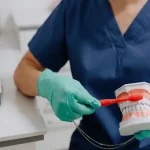
Education closes that gap. When you understand how cavities form, why gums bleed, or how dry mouth affects teeth, you are more likely to catch small issues early. This is where preventive oral health education matters. It gives you practical knowledge, not vague reminders. It teaches parents how to clean an infant’s gums, helps teens understand the effect of sports drinks and mouth piercings, and shows adults how medications, stress, and grinding can change oral health over time.
That knowledge also reduces fear. A child who learns that dental visits are for guidance, cleaning, and prevention is less likely to grow up avoiding care until there is pain. An adult who understands early signs of gum disease is more likely to schedule a visit before treatment becomes more involved.
Reliable guidance helps. The CDC offers clear oral health tips for children and practical oral health tips for adults. For broader health information, MedlinePlus has a strong overview of dental health basics.
Small gaps in dental knowledge often become expensive oral problems
A lot of people are not neglectful. They are underinformed, busy, or relying on habits they learned years ago. You may have grown up thinking hard brushing means cleaner teeth, when it can wear enamel and irritate gums. You may assume baby teeth do not matter because they fall out anyway, even though decay in baby teeth can affect eating, speech, comfort, and the health of incoming adult teeth.
That misunderstanding has a cost. A minor cavity caught early may need a small filling. The same tooth, ignored for months, may need a crown or root canal. Inflamed gums can often improve with better home care and regular cleanings. Left alone, gum disease can lead to bone loss, loose teeth, and more complex treatment.
Dental prevention education also helps families make better choices in real life, not just in theory. It helps when your child wants juice before bed, when your teen skips brushing after late practices, or when you are deciding whether bleeding gums are normal. Those are the moments that shape oral health more than one good brushing session ever could.
Preventive care and delayed care lead to very different outcomes
| Situation | Preventive approach | Likely result | Delayed approach | Likely result |
|---|---|---|---|---|
| Early plaque buildup | Routine brushing, flossing, regular cleaning, coaching on technique | Cleaner teeth, lower cavity and gum risk | Inconsistent care, no professional guidance | Tartar buildup, gingivitis, more treatment later |
| Child frequently drinks sugary beverages | Parent education, timing changes, water after sugar exposure | Lower decay risk, better habits | No change in routine | Higher chance of cavities and enamel damage |
| Adult notices bleeding gums | Early dental visit, improved home care, monitoring | Problem may reverse or stabilize early | Wait until pain or swelling appears | Progression toward gum disease and deeper cleaning needs |
| Night grinding | Education on signs, exam, protective options | Less wear, fewer cracks, less jaw strain | Ignore symptoms | Tooth damage, headaches, restorations |
The pattern is hard to miss. Prevention costs less in time, money, and discomfort. It also gives you more control. You are not waiting for pain to make decisions for you.
A family dentist helps turn information into habits that stick
General advice online can help, but it cannot watch how your child brushes, spot the early signs of crowding, or notice that your gums are receding. A family dentist can tailor education to each stage of life. A toddler needs one kind of support. A teen with braces needs another. An older adult dealing with dry mouth, medications, or dexterity issues needs something different again.
This is why oral health prevention works best when education and care happen together. You learn the reason behind the recommendation, then get support applying it at home. That combination tends to last longer than quick reminders given during rushed routines.
Three practical steps can improve oral health right away
1. Audit your current routine. Look at what actually happens each morning and night. Are you brushing for two full minutes? Are you flossing daily or only when food gets stuck? Are sugary drinks part of bedtime or all day sipping? Honest answers matter more than perfect answers.
2. Focus on one behavior change per person. Trying to fix everything at once usually fails. Start with the habit causing the most damage. For one child, that may be falling asleep without brushing. For an adult, it may be aggressive brushing or skipping cleanings. Small changes repeated daily beat ambitious plans that last three days.
3. Schedule preventive visits before there is pain. Education works best when it is reinforced. Regular checkups give you a chance to ask direct questions, adjust routines, and catch issues early. If you have a child, bring concerns up even if they seem minor. Thumb sucking, mouth breathing, and snack habits are easier to address before they become bigger problems.
Better dental education supports healthier years ahead
Oral problems rarely appear out of nowhere. They usually grow from habits, missed signs, and confusion that could have been addressed earlier. The good news is that prevention is not complicated once you have clear guidance. The right education helps you protect teeth, reduce future treatment, and feel less overwhelmed by daily care.
If you want steadier routines and fewer dental surprises, connect with a family dentist and make prevention part of your normal care. Small lessons now can prevent bigger problems later.